
Are Variable-Rate Mortgages Worth It? What You Need to Know Before You Decide
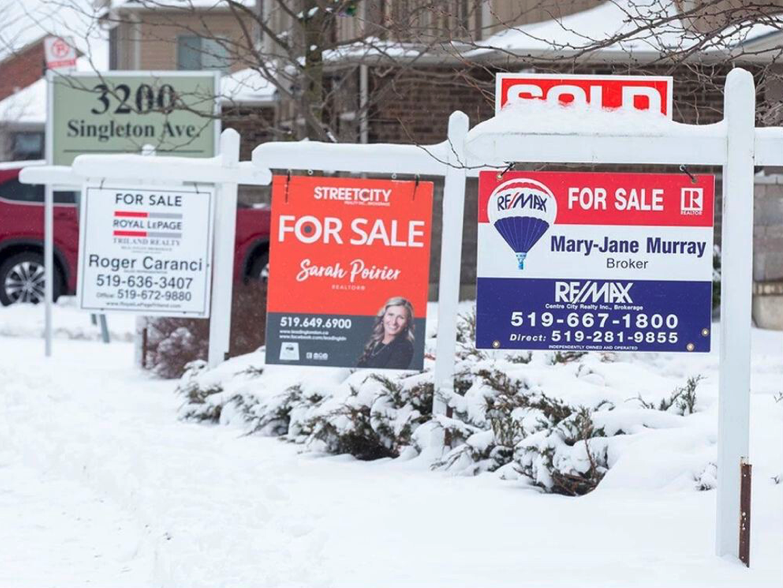
Image courtesy of The Financial Post
Right now, variable-rate mortgages are making a strong comeback in Canada, and it’s easy to see why. Borrowers are attracted by rates that are about 0.25% lower than fixed rates— a tempting discount that translates into noticeable monthly savings. But while the upfront cost looks appealing, the bigger question is: do those savings outweigh the risks that come with fluctuating interest rates?
What’s Fueling the Surge in Variable Mortgages?
The bond market’s influence on fixed mortgage rates has pushed their costs higher, making variable-rate products look more affordable at the moment. Additionally, many borrowers expect that the Bank of Canada has finished cutting rates and that any future changes will be hikes, yet they still choose variable rates, hoping to “beat the system” before any increases.
This choice is often driven by optimism bias—believing rates won’t rise substantially—and by the allure of flexibility, since variable mortgages generally have lower penalties for early repayment or breaking the mortgage.
Understanding the Real Trade-Offs
Let’s bring this closer to home. Picture yourself with a $300,000 mortgage. Opting for a variable rate might save you around $39 each month initially. That sounds great—but what if interest rates start climbing? Historically, after rate cut cycles, increases can total around 2.8%, which would significantly raise your payments beyond what you saved at the start.
This risk is especially relevant now given ongoing inflation uncertainties, the renegotiation of trade agreements like CUSMA, and volatile global markets. The Bank of Canada’s repeated struggle to re-align inflation to target means that interest rates could remain high or even climb further.
How to Approach Your Mortgage Choice
Balance Short-Term Savings vs Long-Term Costs: The initial discount on variable rates is modest compared to the potential cumulative increases in payments if rates rise.
Consider Your Risk Tolerance: If unpredictable payments cause stress, a fixed-rate mortgage offers predictability your budget might need.
Explore Hybrid Mortgages: Splitting your loan between fixed and variable portions can offer a middle ground—some security with an element of savings potential.
Stay Informed: Keep an eye on economic changes and central bank signals to adjust your mortgage strategy when necessary.
What This Means for You
If you’re buying a home or renewing your mortgage in this environment, it’s critical to look beyond today’s rates and consider how your mortgage payments fit into your long-term financial plan. For example, if you’re a homeowner who recently opted for a variable rate to save money but now face the possibility of rising rates, I can help you evaluate whether switching to a fixed or hybrid mortgage is the right move to protect your monthly budget.
If you want clarity on fixed vs variable mortgage options or guidance tailored to your financial goals amid these market shifts, contact me, Mr. Mortgage (Kechanth Kannan). I’ll help you cut through the noise and find the mortgage strategy that’s right for you.
📞 +1 (647) 554-2718
📸 Instagram: @_mrmortgage
Smart mortgage decisions today lead to financial confidence tomorrow— let’s connect to make sure you’re set up for success!
