
Bank of Canada Holds Again: What April’s Rate Pause Means for Canada’s Housing Market
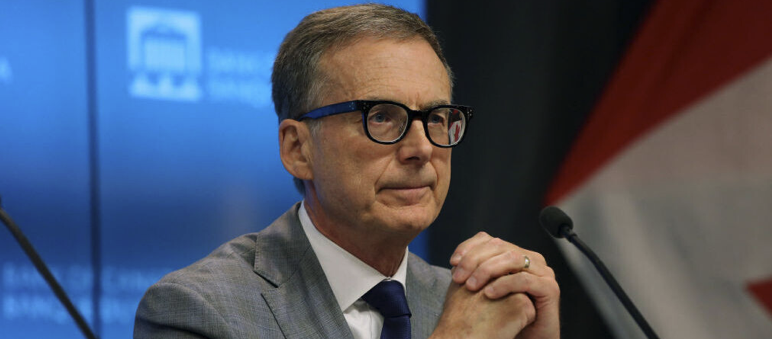
Image courtesy of Money.ca
The Bank of Canada held its overnight rate at 2.25% on April 29, 2026, marking a fourth straight pause after a long cycle of rate cuts that ended in late 2025. That move was expected, but it also confirms that the easing cycle has stalled for now, and the market is dealing with a tougher mix of sticky inflation, higher oil prices, and uneven economic growth.
Why The Hold Happened
The decision came after inflation rose back to 2.4% in March, driven largely by higher gasoline prices tied to the oil shock in the Middle East. At the same time, the labour market showed some stabilization, but trade tensions with the U.S. and broader economic uncertainty kept the Bank cautious.
In simple terms, the Bank is not ready to cut again because inflation is still showing too much pressure. The “wait-and-see” approach makes sense when the central bank is trying to avoid reacting too quickly to a spike that may or may not stick.
What This Means For Mortgage Rates
With the overnight rate unchanged, prime stays at 4.45%, which means variable-rate borrowers are not getting more relief, but they are also not facing another increase right now. That matters because variable mortgages and HELOCs are directly tied to prime, while fixed rates are influenced more by bond yields and lender pricing.
The important thing to understand is that a rate hold does not guarantee mortgage rates will stay flat forever. If inflation expectations remain elevated or bond yields keep rising, lenders can still raise fixed rates even while the Bank itself stays on hold.
What I’m Watching Next
The next few weeks matter more than the announcement itself. If oil prices remain high and inflation stays stubborn, the market could start to price in a more restrictive stance later this year. If energy prices cool and inflation eases again, this pause could turn into a longer stretch of stability instead of the start of renewed hikes.
For homeowners, the best approach is to plan for stability, not to build a budget around a rate cut that may not come soon enough to help. That means making decisions based on today’s numbers instead of hoping for a much softer rate environment later.
What This Means For Buyers And Renewals
For buyers, affordability is still tight, especially in markets where prices have been creeping higher while borrowing costs remain well above pandemic-era levels. For homeowners renewing this year, the pause is helpful because it prevents another immediate jump in payments, but it does not change the fact that many people are still renewing into a much more expensive rate environment than they originally borrowed in.
If you are renewing this year, this is the time to shop early, compare options, and stress-test your payment at today’s levels. Waiting for a perfect market rarely works as well as having a solid plan.
If you want help figuring out whether fixed, variable, or a more flexible mortgage strategy makes the most sense in this market, reach out to Mr. Mortgage (Kechanth Kannan).
Phone: +1 (647) 554-2718
Instagram: @_mrmortgage
