
Image courtesy of Nashville’s MLS
Thinking about upgrading to a new home but haven’t sold your current one yet?
You’re not alone, and in today’s real estate market, where timing is everything, bridge financing might just be the solution that gives you the breathing room you need.
🔑 What is Bridge Financing?
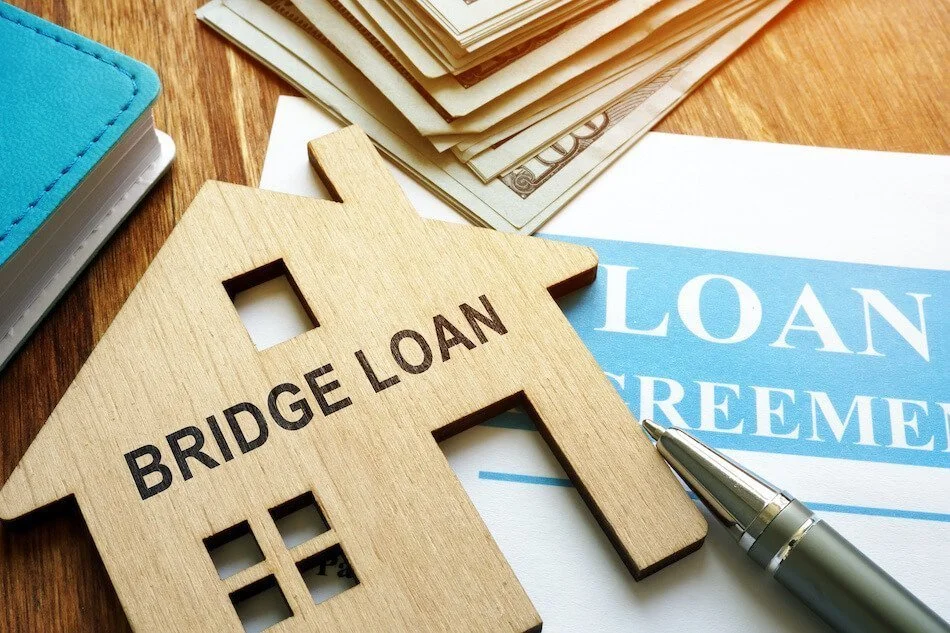
Bridge financing is a short-term loan that helps you “bridge the gap” between buying your new home and selling your current one. It’s ideal for homeowners who have:
Found their dream home before selling their current one
Accepted an offer on their home but the closing date is after the purchase of their new one
Equity in their current home but need quick access to those funds
It essentially allows you to tap into the equity in your current home before the sale is finalized, giving you the flexibility to move forward with your purchase without panic-selling or risking losing your next home.
📊 Real-Life Example
Let’s say you bought a new home for $850,000, and you’ve already sold your current home for $700,000, but that sale closes 30 days after your new purchase. You were relying on that $200,000 down payment to close on the new home.
With bridge financing, a lender can advance you that $200,000 for 30 days. You’ll pay interest-only payments on that amount for the short term (usually at a rate of around Prime + 2%), and once your sale closes, the bridge loan is paid off.
This kind of financing takes away the stress of lining up both closings perfectly, and it protects you from missing out on your ideal home just because the paperwork didn’t align.
✅ Who Qualifies?
To be eligible for bridge financing in Canada, you typically need:
A firm sale agreement on your current home
A firm purchase agreement on your new home
Enough equity in your current home to cover the bridge loan
Approval from a lender willing to offer a bridge product
And that’s where the right mortgage expert makes all the difference.
💬 How Mr. Mortgage Can Help
Not every lender handles bridge financing the same way, and not every situation fits the textbook. That’s why it pays to work with someone who knows how to structure a bridge loan properly, advocate for your needs, and line up all the moving parts so you can make your next move with confidence.
Whether you’re upgrading, downsizing, or making a strategic investment move, I’ll help you understand your options, timelines, and numbers, clearly and honestly.
Questions to ask first
If you may buy your next home before the current one sells, here are a few questions I would work through with a client.
How much of a gap could I be covering, and for how long, if the sale does not close on the timeline I expect?
What would the temporary payments and fees look like, and can I carry them comfortably?
Is my current mortgage portable, or would a sale-and-purchase on close dates make a bridge unnecessary?
What is my backup plan if the current home takes longer to sell than hoped?
You might also like: Porting Your Mortgage: What It Is and Why It’s Not Always So Simple, Penalty Math: How Switching Your Mortgage Can Cost You (And How To Avoid It), and Understanding Interim Occupancy: What It Means for Your Mortgage.
Contact me today.
Kechanth Kannan | Mr. Mortgage
Phone: +1 (647) 554-2718
Instagram: @_mrmortgage
Book a free consultation
