
Data Centres Are Not-So-Quietly Changing Canadian Real Estate
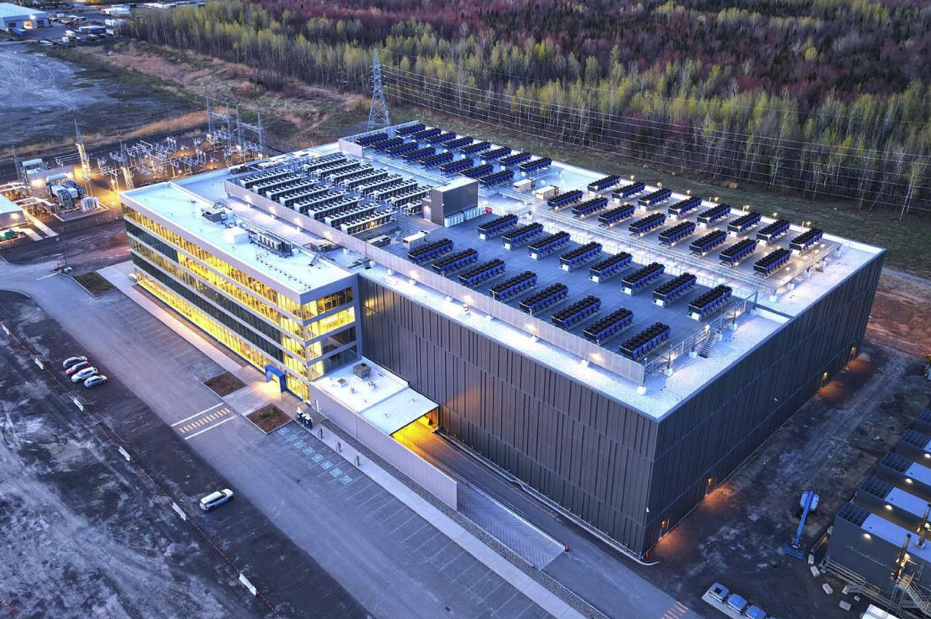
Image courtesy of Betakit
Goldman Sachs’ acquisition of Québec-based QScale is another sign that data centres are becoming a major force in Canada’s property market. These facilities are no longer just a tech story — they are now a real estate, energy, and community issue that can affect homeowners in ways most people do not expect.
What’s happening
QScale builds and operates AI-ready data centres, and Goldman Sachs Alternatives has now bought the company while keeping its Québec headquarters and existing leadership in place. That deal follows other major foreign investment into Canadian data centre-related businesses and highlights how quickly demand is growing for AI and high-performance computing infrastructure.
That growth matters because data centres need large sites, heavy power supply, cooling systems, and access to land. When those requirements show up in a community, they can influence everything from industrial zoning pressure to utility demand and the long-term feel of a neighbourhood.
How data centres affect nearby properties
For homeowners, the biggest concern is usually not the data centre itself, but what comes with it. That can include more traffic during construction, changes to nearby land use, pressure on the electrical grid, and in some cases visual or noise impacts depending on how close the site is.
In certain areas, a major data centre project can also change how buyers view the neighbourhood. Some see it as a sign of economic growth and investment, while others worry about industrial activity moving closer to residential streets. The result can be uneven: one homeowner may see a boost in local confidence, while another may worry about resale appeal if the site changes the character of the area.
Why this matters now
Data centres are growing because AI demand is exploding, and companies want large, reliable, and often energy-intensive facilities. In Canada, that has turned places with strong power access and cooler climates into attractive destinations for development.
For homeowners, that means new infrastructure may be coming faster than before. If a data centre is proposed near your area, it is worth paying attention early because once land is zoned, approved, or tied into utility planning, the impact can be felt for years.
What homeowners can do
If you live near a proposed or active data centre area, start by understanding what is actually planned. Is it a small facility or a major campus? Is it close enough to affect your street, your views, or your utility reliability? Those details matter more than the headline alone.
You should also:
• Watch local zoning and planning notices.
• Attend community meetings if a project is proposed nearby.
• Ask how the project may affect traffic, noise, and property use.
• Keep an eye on comparable home sales in the area.
• Speak with a local realtor or mortgage professional if you are thinking about selling, refinancing, or buying near the site.
What this means for you
If you are a homeowner, the main takeaway is that data centres are no longer just industrial projects in the background. They are part of the broader conversation about housing, land use, utilities, and neighbourhood value.
If you are buying a home, especially near land that could be re-zoned or developed, it is smart to look beyond the house itself and consider what is happening around it. The best time to evaluate that impact is before you buy, not after the cranes show up.
If you want help understanding how local development, market conditions, or nearby infrastructure projects could affect your mortgage or next move, reach out to Mr. Mortgage today.
Kechanth Kannan | Mr. Mortgage
Phone: +1 (647) 554-2718
Instagram: @_mrmortgage
