
Fractional Home Ownership: The New Way to Invest in Real Estate Or Just a Fancy Timeshare?
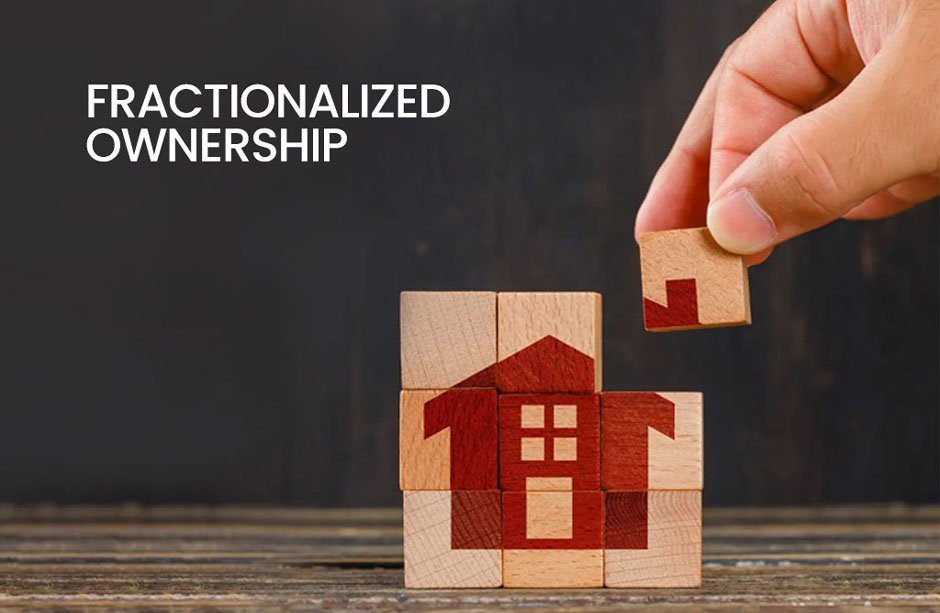
Image courtesy of Masonjarbreakfast.com
Fractional home ownership has exploded in popularity, promising Canadians a way to invest in real estate without the massive down payment or full-time management headaches.
Platforms let you buy “shares” in luxury vacation properties or rental units, marketed as passive income with minimal hassle. But as your local mortgage expert who’s seen every real estate trend, let me break down whether this actually makes financial sense—or if it’s just shiny marketing.
What Is Fractional Ownership?
You purchase a fraction (1/8th, 1/10th, etc.) of a property alongside other investors. In return, you get:
Usage rights (typically 4-8 weeks/year for vacation homes)
Rental income share (proportional to your ownership)
Appreciation potential (when the property sells)
Platforms like Pacaso, Fractional, and Lofty.ai handle bookings, maintenance, and property management for a fee.
The Appeal: Real Estate Investing, Lite
For busy professionals: Own a piece of a Whistler chalet without dealing with winter tire changes or leaky roofs. For first-time investors: Enter real estate with $50K-$150K instead of $200K+ down payments. For diversification: Spread risk across multiple properties instead of one big mortgage.
Sounds perfect, right? Here’s where reality hits.
The Hidden Costs That Eat Your Returns
Management Fees: 10-25% of rental income + monthly platform fees ($200-500/month) Special Assessments: Major repairs get split among owners (roof replacement = $10K hit) Usage Restrictions: Your “weeks” might fall during shoulder season, not peak holidays Exit Strategy: Hard to sell fractional shares quickly; some platforms have 5-10 year minimums Appreciation Lag: Fractional properties often underperform whole-home appreciation
Real math example: $100K investment in a Muskoka cottage (1/10th share).
Annual rental income: $8,000 gross
Fees/management: -$3,200 (40%)
Net income: $4,800 (4.8% yield)
Compare to GIC at 4% or REITs at 6-8% with full liquidity
When Fractional Makes Sense (Rare Cases)
✅ Wealthy vacationers who value usage over returns
✅ Real estate pros diversifying portfolios with “fun” investments
✅ Groups of friends/family buying vacation homes together
❌ Average investors seeking passive income
❌ First-time buyers better served by starter homes
❌ Risk-averse savers who need liquidity
The Bob Example: What Really Happened
Bob, 38, invested $75K in a fractional Banff condo through a popular platform. He loved the 6 weeks/year usage and initial 5% rental yield. But:
Year 2: $8K special assessment for HVAC replacement
Year 3: Platform raised fees from 15% to 22%
Year 4: Needed cash for family emergency, but couldn’t sell his share quickly
Net result: Sold at a loss after fees, taxes, and illiquidity
Meanwhile, his coworker put the same $75K toward a REIT ETF—liquid, diversified, and up 28% over 4 years.
Better Alternatives for Canadian Investors
REIT ETFs (XRE, ZRE): Real estate exposure, dividends, full liquidity
Mortgage investing (6-9% yields through platforms like addy or Nexus)
Private lending to real estate developers (8-12% returns)
Starter rental property with 20% down (leverage + appreciation)
Bottom Line: Luxury, Not Investment
Fractional ownership is like owning a Ferrari—you get the bragging rights and weekend joyrides, but it’s a money pit for building wealth. If your goal is financial freedom through real estate, proven strategies like rental properties or REITs deliver better risk-adjusted returns.
Curious if fractional ownership fits your portfolio—or want proven Canadian real estate investing strategies? Reach out to me, Mr. Mortgage (Kechanth Kannan). I help clients navigate trendy investments vs. time-tested wealth-builders.
📸 Instagram: @_mrmortgage
Real estate investing works when you invest like a business owner, not a vacation planner.
