
Toronto’s $2.7 Billion Rental Housing Partnership: What It Means for Homebuyers and Renters
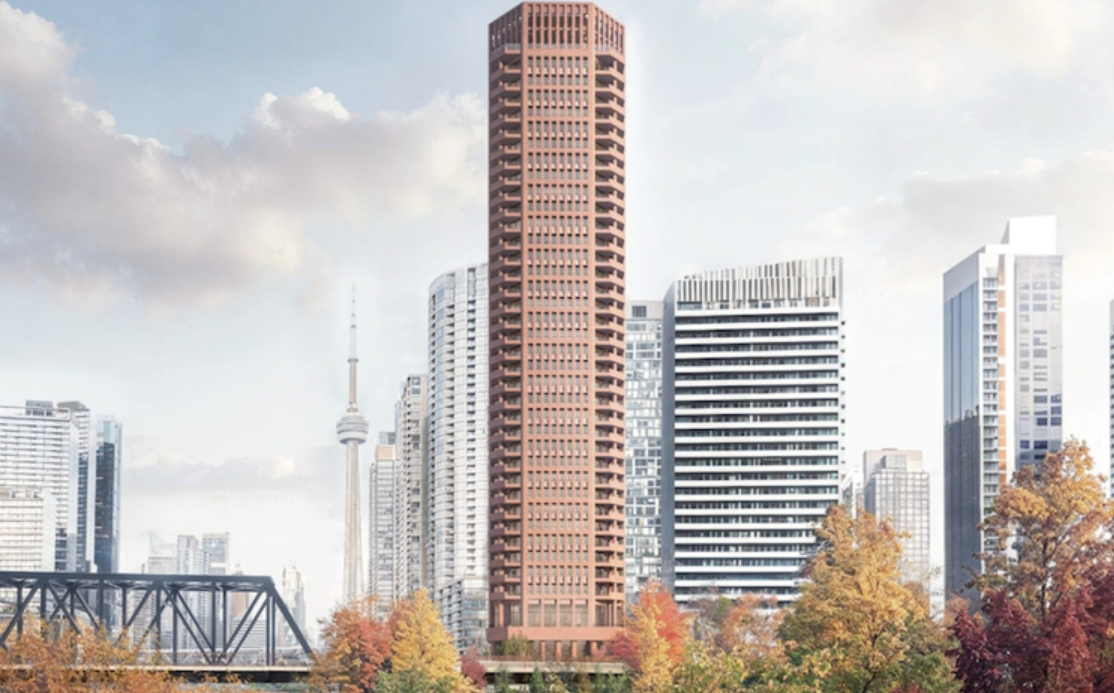
Image courtesy of Storeys
Toronto is set to see a major push in rental housing construction after the federal government and the City of Toronto announced a partnership worth up to $2.7 billion. The funding is expected to advance 18 rental housing developments across the city, delivering more than 5,600 new homes over the next three years.
Importantly, construction is expected to begin on more than 4,500 of those homes before the end of this year. For a city where many approved projects have been delayed by high construction costs and limited financing, this is a meaningful step toward getting projects out of the planning stage and into the ground.
How the Funding Is Being Used
The partnership is designed to support two different types of rental development.
First, Build Canada Homes is providing more than $310 million for nine projects on City-owned land. These developments are expected to create approximately 1,885 rental homes, including nearly 740 affordable homes, supportive housing options, and more than 1,100 rent-controlled units delivered through non-market housing providers.
Second, the Canada Mortgage and Housing Corporation, better known as CMHC, is providing more than $1.8 billion in low-cost financing through its Apartment Construction Loan Program. That financing will help move forward nine additional purpose-built rental projects, expected to add more than 3,700 rental homes across Toronto.
The City is also playing a major role by contributing land at nominal value and offering more than $530 million in capital funding and financial incentives, including property-tax exemptions that can last up to 99 years for eligible projects.[pm.gc][toronto][canada]
Why This Matters for Toronto
Toronto needs more housing at every level of the market. This announcement is not just about adding new apartments. It is about unlocking projects that have already been planned, approved, and permitted but could not move ahead because the financing no longer worked in today’s higher-cost environment.
That is an issue I see reflected across the housing market. Rising interest rates, construction costs, labour expenses, and development charges can make a project difficult to build even after it has received approval. When financing becomes available, it can be the difference between a site sitting idle for years and a new rental building beginning construction.
The 18 projects will include a mix of affordable, supportive, rent-geared-to-income, rent-controlled, and market rental housing. That matters because Toronto’s housing challenge is not limited to one group. Students, young professionals, growing families, newcomers, seniors, and people needing supportive housing are all competing for limited rental supply.
More rental homes will not solve affordability overnight, but increasing supply is a necessary part of creating a healthier and more balanced housing market.
What This Could Mean for Buyers
For prospective homebuyers, especially first-time buyers, rental supply may not seem directly connected to the purchase market. In reality, the two are closely linked.
When rental availability is extremely low, tenants often face steep rent increases, frequent moves, and pressure to buy before they feel financially ready. A larger purpose-built rental supply can give people more flexibility. It can allow a renter to stay put longer, save more deliberately, improve their credit profile, pay down debt, and make a home purchase when the timing actually fits their finances.
For example, a couple renting a one-bedroom condo may be tempted to purchase immediately because their lease is ending and comparable rents have climbed sharply. If more purpose-built rental options become available in their preferred neighbourhood, they may have the opportunity to rent a suitable two-bedroom unit for another year or two while building a stronger down payment. That additional time could improve their mortgage options and reduce the pressure of making a rushed buying decision.
The same is true for investors and homeowners. New rental construction can change the long-term conversation around rents, vacancy, neighbourhood growth, and the type of housing being built in Toronto. While demand remains strong, more supply can help create a more sustainable market over time.
A Positive Sign, With More Work Ahead
The federal and municipal partnership is a positive development because it focuses on moving approved projects forward. Toronto does not only need future proposals. It needs homes that can actually begin construction and be completed.
More than 5,600 rental homes will make a difference, particularly because the portfolio includes a meaningful number of affordable, supportive, and rent-controlled units. However, Toronto’s housing shortage has developed over many years, and one announcement will not eliminate the broader affordability challenge.
Still, this is a strong sign that governments are recognizing one of the biggest barriers in today’s housing market: many housing projects are ready to move forward but need the right financing structure to become viable.
If you are thinking about buying your first home, refinancing, consolidating debt, or simply want to understand how Toronto’s changing housing market could affect your plans, I would be happy to help you review your options.
Contact me today to start the conversation.
Kechanth Kannan | Mr. Mortgage
Phone: +1 (647) 554-2718
Instagram: @_mrmortgage
