
Trump’s 50-Year Mortgage Idea Sparks Backlash: Why Longer Isn’t Always Better for Homebuyers
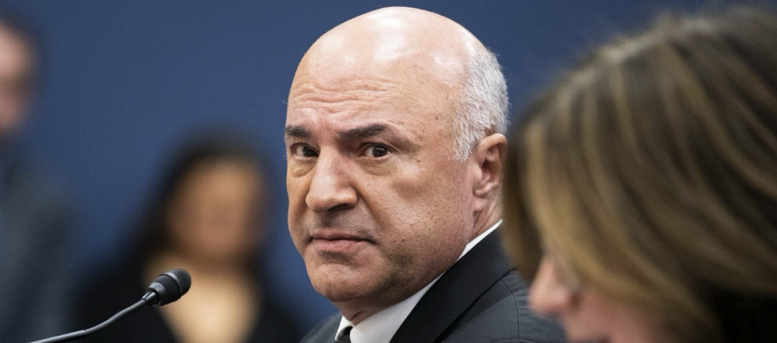
Image courtesy of MoneyWise
In a surprising move that’s stirred debate across the real estate and finance world, U.S. President Donald Trump recently floated the idea of introducing a 50-year mortgage term—a concept that has drawn sharp criticism from industry experts and investors alike.
While such a loan may appear to promise lower monthly payments, financial analysts warn that the true cost could be enormous, potentially trapping borrowers in lifelong debt.
The Pitch — and the Pushback
Supporters of Trump’s idea argue that ultra-long-term mortgages could expand accessibility to homeownership, particularly as the average age of first-time buyers climbs to 40 years old, according to The New York Times. However, opponents see it as financial sleight of hand rather than innovation.
Investor and TV personality Kevin O’Leary (Shark Tank) didn’t mince words in his response.
“This is just kind of financial engineering,” he said on CNN. “You’ll never own the home. It’s the same as renting in my view, so I don’t like the idea.”
O’Leary went further in an interview with Fox Business, calling the proposed 50-year term “beyond a lifetime.”
“If you’re 40, you’re going to be friggin’ dead before the mortgage is paid off,” he warned.
And while lowering monthly payments might sound appealing against stubborn inflation (still hovering above 3%), O’Leary argues that stretching out loan terms is deceptively expensive:
“You’re going to pay almost three times more interest than a normal mortgage just to save a couple hundred bucks a month.”
With average home prices sitting around $512,800, the allure of smaller payments is understandable. But the long-term math just doesn’t work in borrowers’ favor.
What a 50-Year Mortgage Really Means
Here’s the catch: the lower the monthly payment, the more time it takes to build equity—and the more interest accrues over decades. A 50-year mortgage would essentially turn homeownership into a lifetime rental with a bank instead of a landlord.
Financial experts predict that such long-term loans would also carry higher interest rates than standard 30-year terms. With the average 30-year fixed rate at 6.23% and 15-year loans at 5.51%, a 50-year version could easily come in above those figures, further eroding the supposed affordability advantage.
For example, on a $500,000 mortgage at 6.5%, a 50-year loan would cost roughly $676,000 in interest—nearly double the original amount borrowed and hundreds of thousands more than a 30-year loan.
A Better Path: Shorter Terms and Smart Strategies
While the idea of smaller payments sparks interest, the safer financial route remains a 15- or 30-year mortgage paired with competitive rates and the flexibility to make additional payments. Homeowners who focus on shorter amortization periods benefit from faster equity growth, lower total interest costs, and a path to true ownership.
Imagine you’re a 35-year-old buyer weighing a 30-year mortgage versus this hypothetical 50-year product. The 30-year mortgage may mean slightly higher payments now, but it also gives you a realistic chance to own your home by your mid-60s—without nearly doubling the amount you pay long-term.
The Takeaway
The 50-year mortgage might sound like a way to make homeownership more “affordable,” but it’s a classic example of short-term relief versus long-term risk. For most Canadians and Americans alike, pursuing stable, manageable loan terms paired with financial discipline will always be the smarter play.
If you’re exploring mortgage options and want guidance on how to choose the term that fits your lifestyle and goals, reach out to me, Mr. Mortgage (Kechanth Kannan). I can help you assess your financial picture and develop a mortgage strategy that builds wealth—not just debt.
📸 Instagram: @_mrmortgage
Your home should be your greatest asset—not a lifetime payment plan. Let’s make sure your mortgage works for you, not against you.
